What Are the Worst Types of Pipes for Plumbing in Shelbyville Homes?
Some pipe materials age well and some quietly work against you, so it helps to know which kind is running through your home.
What are the worst types of pipes for plumbing?
The worst pipes for home plumbing are polybutylene, galvanized steel and lead. Polybutylene can crack from the inside without warning, galvanized steel rusts and narrows over decades, and lead can leach into drinking water. Many older homes also have a mix of materials. If you are unsure what you have, a free estimate is one phone call away at (931) 536-9757.
Why is polybutylene considered the worst pipe?
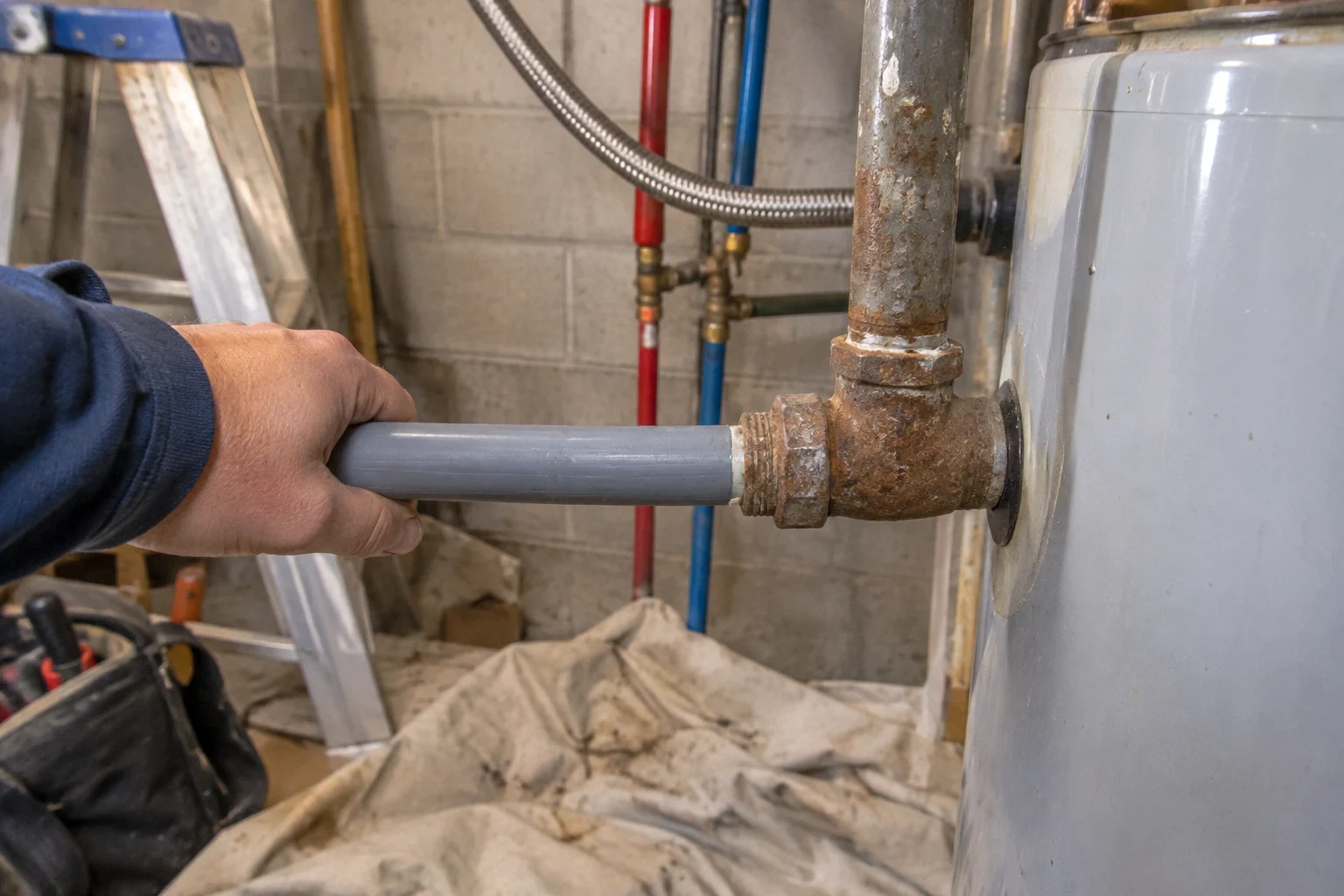
Polybutylene is a gray, sometimes blue or black, plastic pipe that was widely installed from the late 1970s into the mid-1990s. It was cheap and easy to run, which is why it showed up in so many homes built in that window.
The problem is that it reacts with the chlorine in treated water. Over the years the pipe gets brittle from the inside out, so it can look fine on the outside right up until a fitting or a section splits. Failures often happen at the joints and fittings, and they tend to be sudden rather than slow drips.
If your home was built or replumbed during those years, it is worth checking. Polybutylene was also used for some main water lines running from the meter to the house, where a break can go unnoticed under the yard for a while.
What's wrong with galvanized steel and lead pipes?
Galvanized steel is iron pipe coated in zinc. It was common in homes built before the 1960s. Once the zinc wears away, the steel rusts from the inside, and that buildup slowly closes the pipe like a clogged artery. You notice it as weak water pressure, rusty or brown water after the house sits, and pinhole leaks near threaded joints.
Lead is the more serious concern because it affects your health, not just your plumbing. Lead pipe was banned for new water lines in 1986, and lead solder on copper joints was banned at the same time, but older homes and older service lines can still have it. Lead pipe is dull gray, soft enough to scratch with a key, and does not attract a magnet.
Galvanized pipe that once connected to a lead service line can also hold lead particles in its rusty lining. That is one reason we suggest looking at the whole line from the meter in, not just the pipe you can see in the basement or crawlspace.
Are there other pipe materials that cause trouble?
A few others come up often enough to mention. None of them are as widespread as polybutylene or galvanized, but they can surprise you.
- Orangeburg pipe: a tar-paper and pitch pipe used underground in mid-century homes. It softens and loses its shape over time.
- Early CPVC: the cream-colored plastic itself is generally sound, but some older runs have turned brittle, especially near water heaters where the heat is constant.
- Kitec and similar aluminum-plastic tubing: often orange or blue with brass fittings that can corrode and fail.
- Very old cast iron drains: durable for decades, but eventually prone to rust, cracking and rough interiors that catch debris.
How can you tell what pipes are in your home?
Start where the water comes in. In most homes that is near the water heater, in a utility room, basement or crawlspace. Look at the pipe going into the main shutoff valve and at any exposed runs nearby.
Middle Tennessee winters bring enough hard freezes that brittle materials get tested every year, so this is a good check to do in the fall before the first cold snap.
- Shiny copper or reddish-brown metal: copper, generally a good material.
- Dull gray metal that a magnet sticks to: galvanized steel.
- Dull gray metal that scratches easily to a silver color and does not hold a magnet: possibly lead.
- Gray, blue or black flexible plastic, often stamped PB2110: polybutylene.
- Red, blue or white flexible plastic with crimp rings: PEX, a current standard material.
- Orange or blue tubing with an aluminum layer: likely Kitec or a similar product.
What should you do if you find a problem pipe?
Do not panic, and do not let anyone pressure you into a big job on the spot. Finding an old material is a reason to have it looked at, not a reason to tear up your home tomorrow. A plumber should show you what they found, explain the risk plainly and give you a written estimate you can think over.
Through our residential plumbing service we will check what you have and tell you honestly where it stands. If the weak spot is the line from the meter to the house, main water line replacement is work we handle from start to finish. If your concern is rust or sediment in the water from aging lines, a whole home water filtration system can help with taste and clarity, though it is not a substitute for removing lead pipe.
When we work inside, we lay down drop cloths, cover floors and furniture near the work area, and clean up at the end of every day. Outside, we put the yard back as neatly as we can. You should not have to live in a mess while your plumbing gets sorted out.
More questions about old pipes
Is PEX a good pipe material?
Yes, PEX is a widely used, code-approved material for water lines today. It flexes, handles freezing better than rigid pipe and has far fewer joints, which means fewer places to fail.
Is copper pipe still a good choice?
Copper is long-lasting and reliable in most homes. Very old copper joints may have lead solder, so it is worth having those looked at if your home predates 1986.
Does polybutylene affect home insurance or a home sale?
It can. Some insurers and buyers ask about it, so check with your agent and keep any inspection notes handy if you are planning to sell.
Can I keep my old pipes if they are not leaking yet?
Sometimes, yes. Galvanized pipe with good pressure may have years left, while polybutylene and lead deserve a closer look sooner because of how they fail.
Find out what is running through your walls
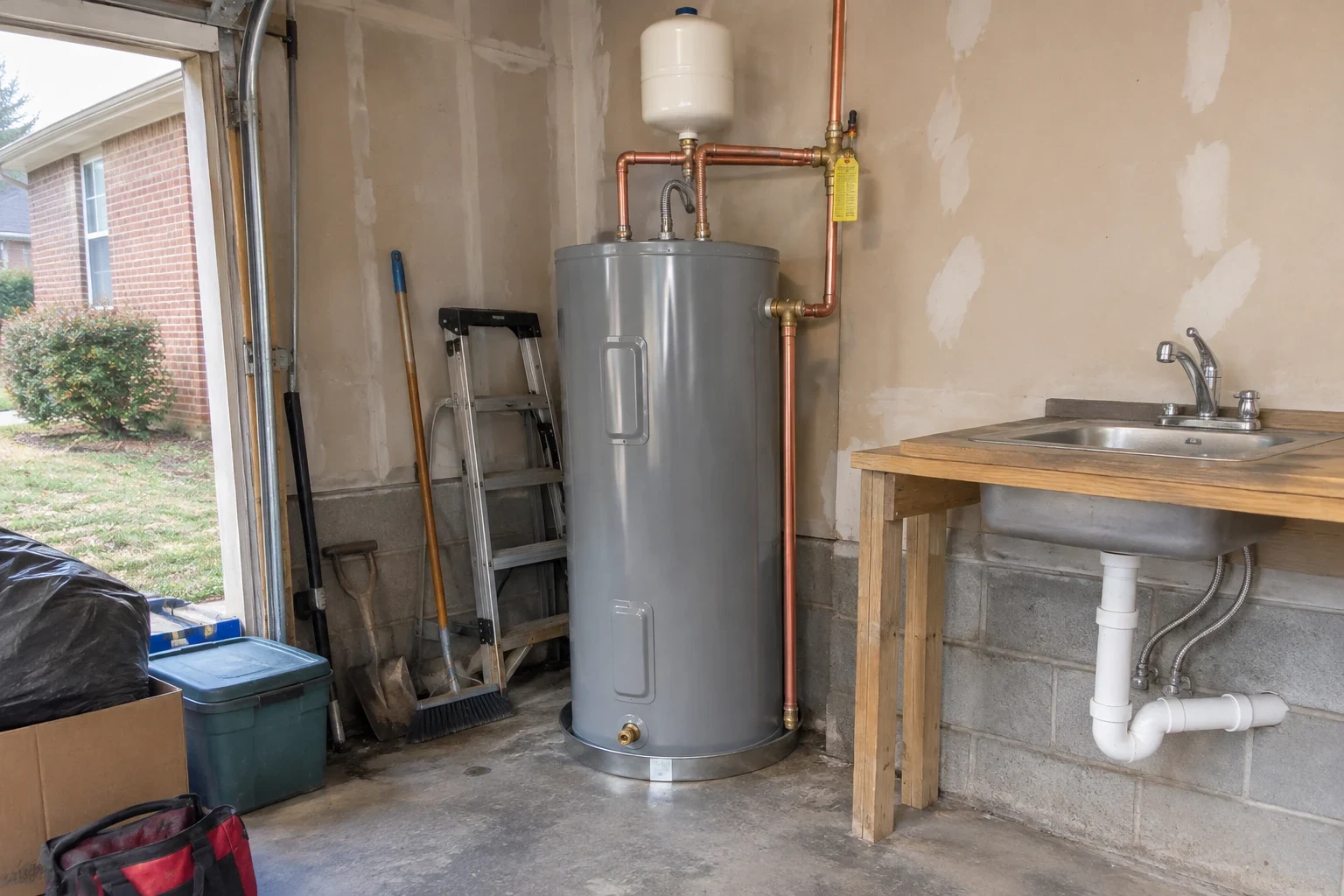
Give us a call and we will come take a look at your pipes and give you a free estimate, with no pressure. If a pipe has already let go, we offer 24/7 emergency plumbing service, and we leave your home clean when the work is done.